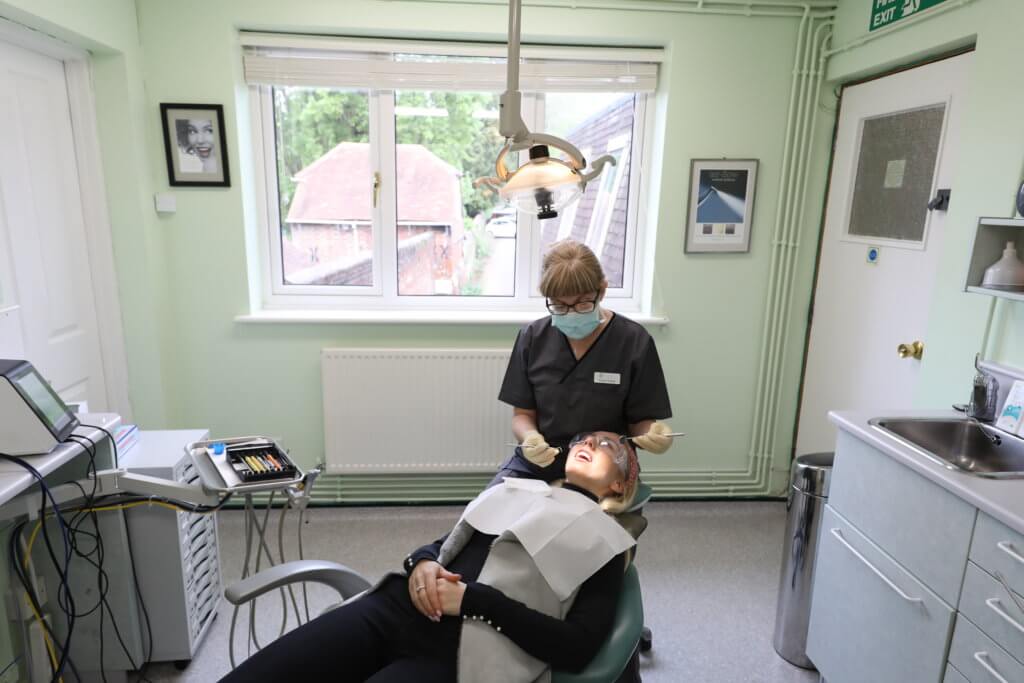
White Fillings
We offer expertly fitted white fillings to patients with cavities to reduce the chances of infection or further decay. They are also used to fill cracked or chipped teeth too. We use white fillings as opposed to amalgam not only because they are aesthetically pleasing for patients but also because they are proven to be more durable in the long term.
Usually taking around an hour, but dependant on the extent of the filling needed, our restorative process involves making a composite filling suiting your tooth colour. Then, it is added in small amounts and hardened bit by bit until your tooth is looking as good as new. Research shows the longevity and durability of composite as the best option for those who need fillings.
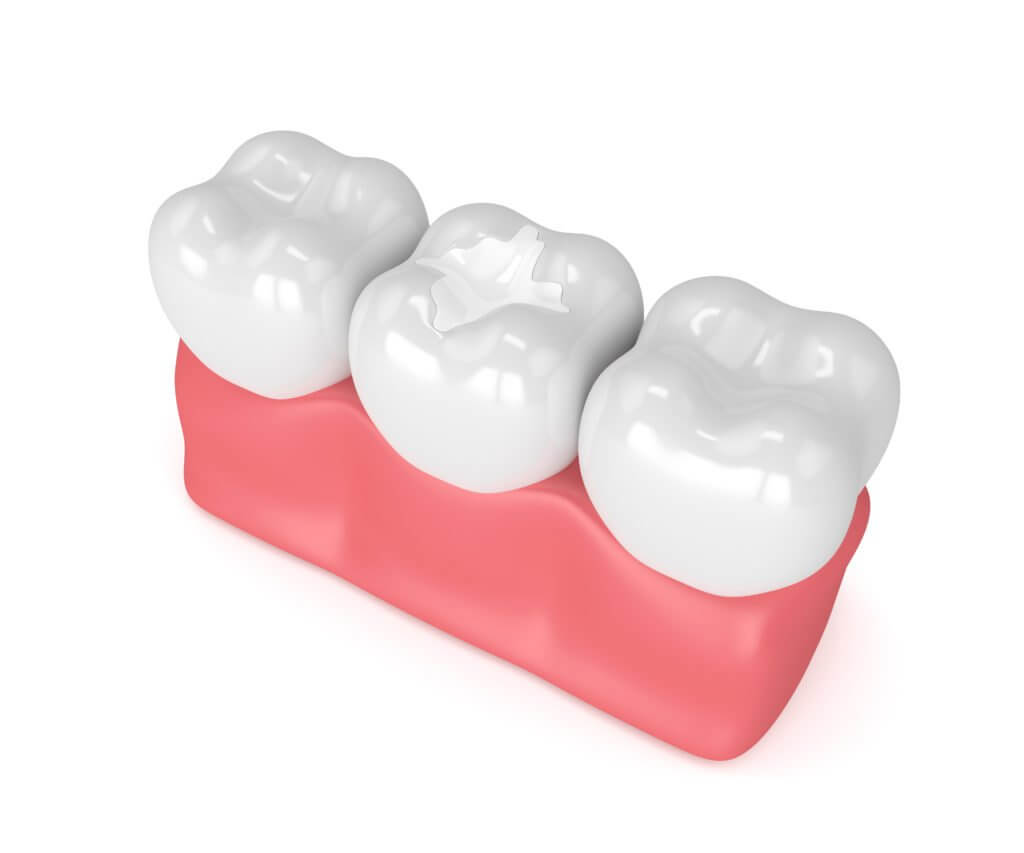
Fillings are a staple of routine dentistry and we are well versed in providing them to our patients and making them feel as comfortable as possible throughout the treatment.
Dental Inlays, Onlays and Crowns
Crowns and Onlays reinforce an existing tooth that is too damaged to support a filling. The crown fits right over the remaining part of the tooth and is sometimes also known as a ‘cap’. Inlays are designed to fit into the cavity of a tooth whereas onlays are used to replace the surface and top of a tooth. Once fitted, this method of restoring a tooth can last for many years, and often into the decades!
Whilst it is not uncommon to see gold inlays and onlays, ceramic is the most widely used material as it can be produced to match the exact colour of the patient’s teeth.
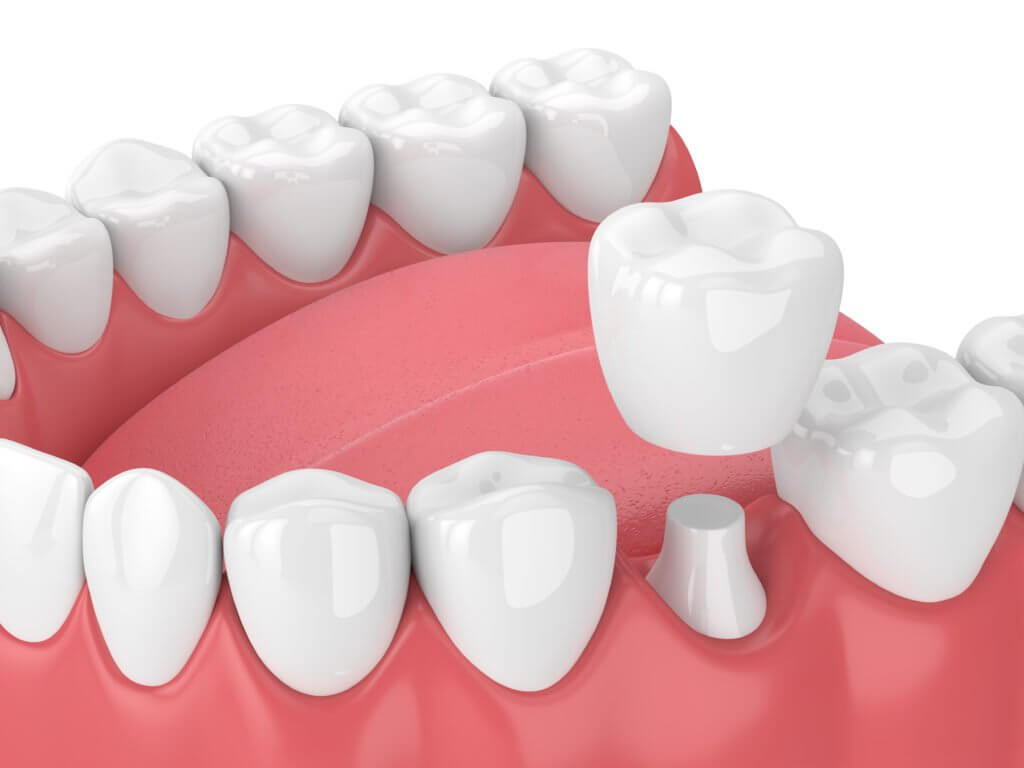
Careful tooth preparation is carried out to allow space to the crown to be retained firmly. Onlays generally involve less preparation and are advisable where there is enough tooth structure remaining. A provisional crown is placed, while our specialist laboratory constructs your custom fit crown.
Root Canal Therapy
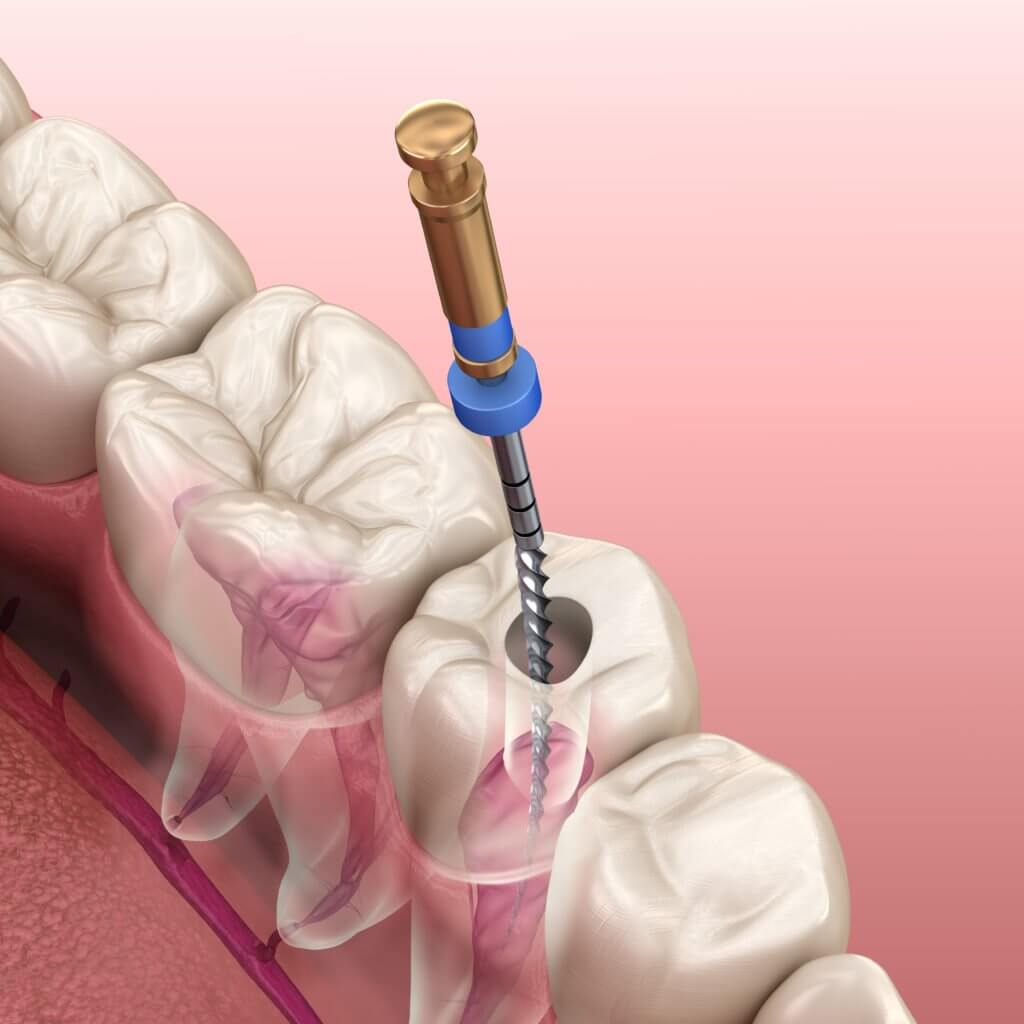
Root canal treatment is needed when the blood or nerve supply of the tooth (known as the pulp) is infected through decay or injury. Also known as endodontics, the infection, if left untreated, then leads to a dental abscess. If root canal treatment (RCT) is not carried out, the infection will spread. Eventually the tooth will become loose.
Root canal treatment is a skilled and time-consuming procedure; however, it is highly effective at saving a tooth which would otherwise require extraction. Most courses of treatment will involve one to three visits to your dentist. At the first appointment, the infected pulp is removed. The root canal is then cleaned and shaped ready for the filling. Following root canal therapy, the strength of the tooth and the seal of the root canal usually needs maintaining with a crown.
Dental Hygienist
Our dental hygienist provides gentle, high-quality care to help keep your smile clean, healthy and confident. With a caring and supportive approach, each visit is focused on making you feel comfortable while giving you the tools to look after your teeth at home.
Appointments are designed to support long-term oral health through personalised advice and thorough professional cleaning. Areas that need a little extra attention are identified, and practical guidance is given to help you maintain a healthy mouth between visits.
During your appointment, your hygienist will carefully remove plaque and build-up, clean between the teeth and polish away surface stains, leaving your smile feeling fresh and smooth. Longer appointments are also available where extra support is needed.
We follow the highest standards of cleanliness and infection control, using fully sterilised equipment and carefully maintained procedures, so you can relax knowing your care is delivered in a safe and professional environment.
Our aim is simple — to provide kind, reassuring care that helps you enjoy a healthy, happy smile.